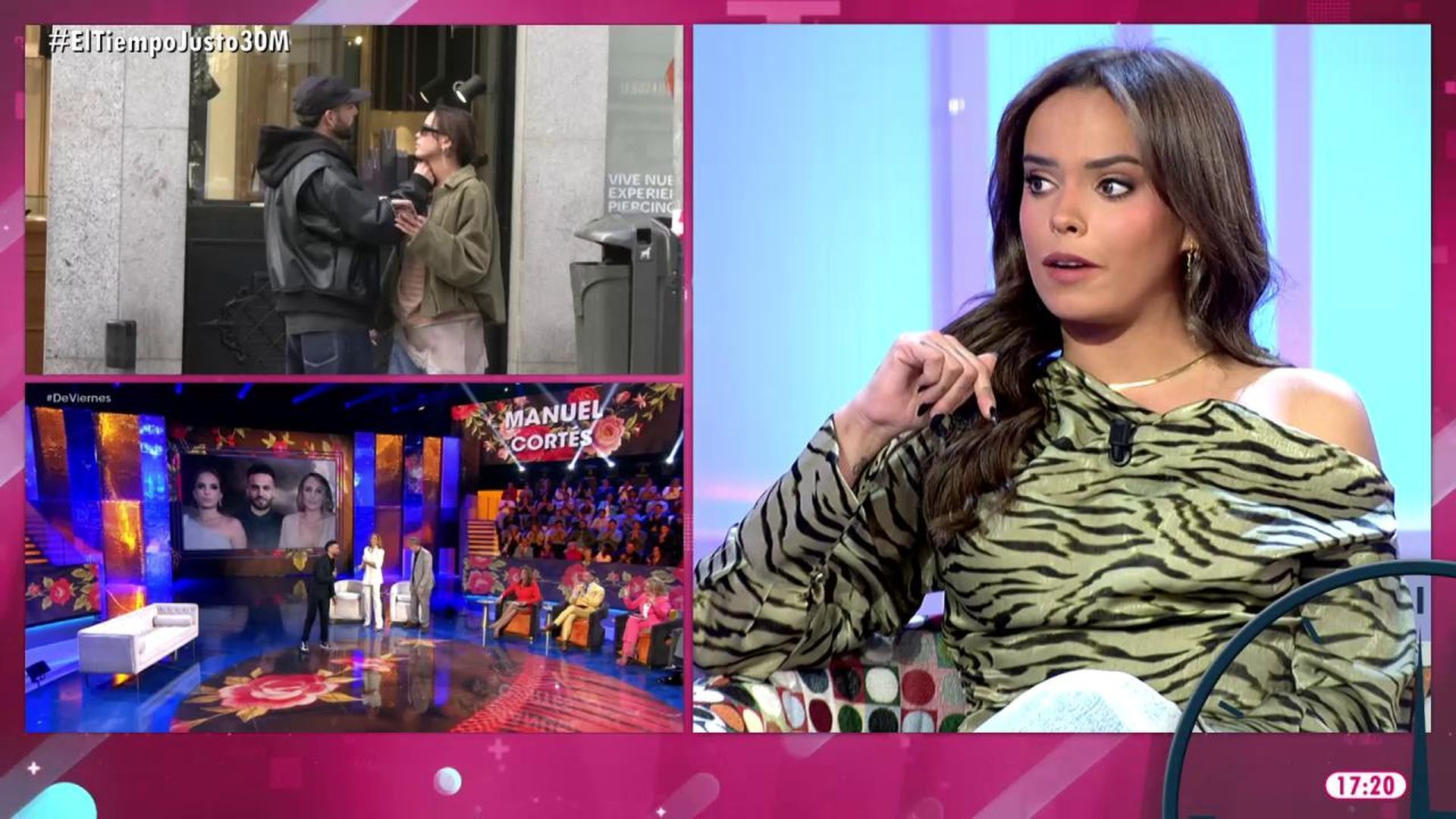
In a dramatic escalation that underscores the increasingly blurred boundaries between televised discourse and legal accountability, Gloria Camila Ortega has reportedly taken formal legal action against Manuel Cortés Bollo following his controversial appearance on the program De Viernes. The development marks a significant turning point in a conflict that has, until now, largely played out in the court of public opinion.
What began as a media exchange—one among many in Spain’s vibrant and often volatile television landscape—has now entered the judicial arena, signaling a shift in tone and consequence. The move raises important questions about the limits of free expression in entertainment media, the responsibilities of public figures, and the long-term impact of reputational disputes broadcast to millions.

From Television Segment to Legal Dispute
The origins of the conflict lie in a widely discussed interview in which Manuel Cortés offered his perspective on a series of personal tensions involving Gloria Camila. The program, aired on platforms associated with Telecinco, quickly attracted attention for its candid tone and the implications of Cortés’ remarks.
While the interview did not include explicit accusations of wrongdoing, it contained statements that were widely interpreted as critical and, in some quarters, potentially damaging to Gloria Camila’s public image. In the days following the broadcast, clips circulated extensively on social media, fueling debate and speculation.
For Gloria Camila, the issue appears to have transcended the realm of media commentary. By bringing the matter before a court, she has signaled that the stakes are not merely reputational but legal.
The Decision to Litigate
Legal action in cases involving media statements is rarely taken lightly, particularly when the individuals involved are themselves public figures accustomed to scrutiny.
For Gloria Camila, the decision suggests a belief that the comments made during the interview crossed a line—whether in terms of defamation, misrepresentation, or violation of personal rights.
Such cases often hinge on nuanced interpretations of language and intent. Courts must consider not only what was said but how it was said, the context in which it was delivered, and the potential impact on the individual concerned.
In this instance, the fact that the statements were made on a widely viewed television program may weigh heavily. Broadcast media carries a reach and immediacy that can amplify harm, making legal recourse more compelling for those who feel wronged.

Manuel Cortés: A Risky Bet on Transparency
For Manuel Cortés, the legal challenge represents a critical juncture.
His decision to speak openly during the De Viernes interview can be seen as an attempt to assert his own narrative within a media environment often dominated by more established voices. However, this approach carries inherent risks.
Public statements, particularly those touching on sensitive personal matters, are subject to interpretation—and misinterpretation. What one individual views as honest expression, another may perceive as harmful or inaccurate.
Cortés now faces the prospect of defending his words in a legal context, where the standards of evidence and accountability differ significantly from those of television debate.
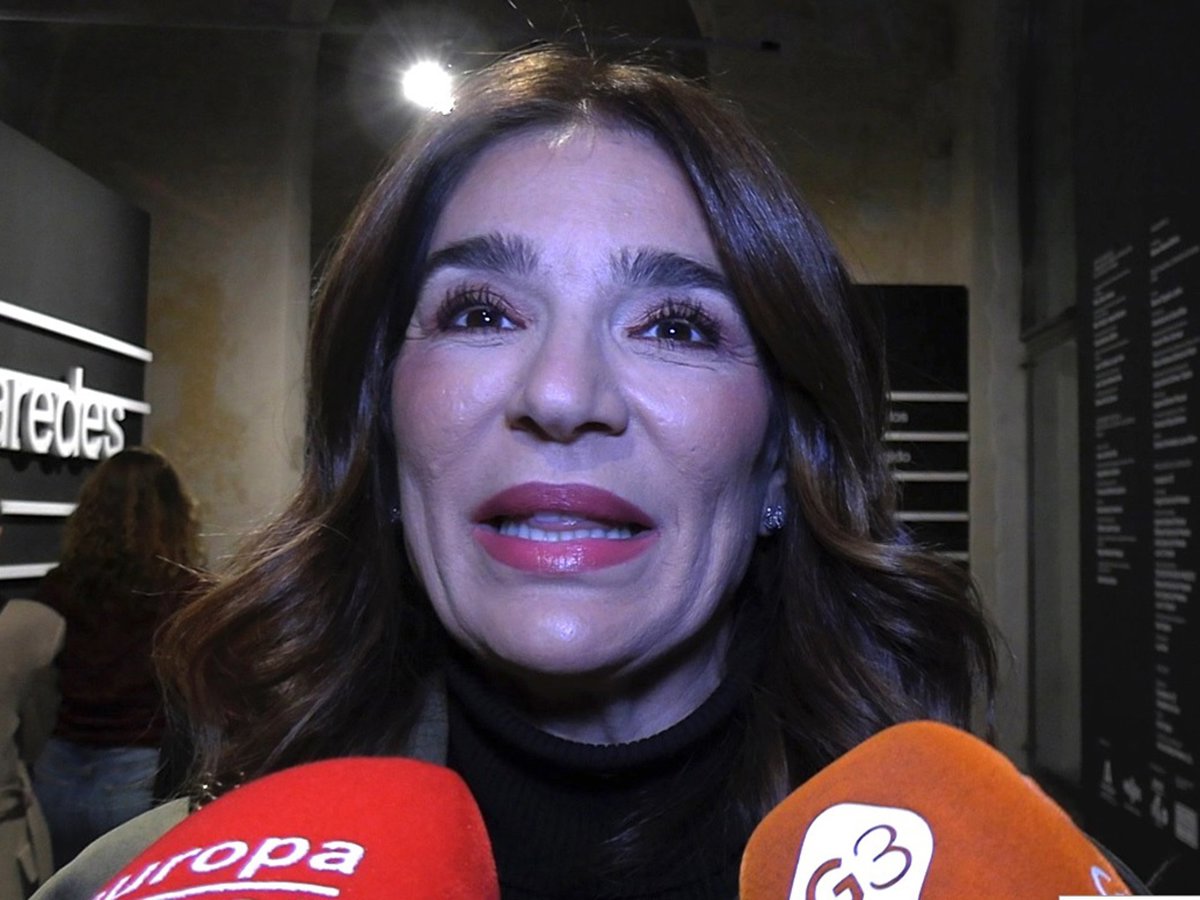
Raquel Bollo: A Mother in the Spotlight
As the mother of Manuel Cortés, Raquel Bollo occupies a complex position within this unfolding situation.
Her long-standing presence in Spanish media has made her a familiar figure to audiences, known for her ability to navigate controversy with a combination of resilience and strategic communication. Yet this case introduces a deeply personal dimension.
Any public response she offers will be scrutinized not only for its content but for what it reveals about her stance. Support for her son may be expected, but it could also complicate her relationships within the broader media landscape.
Conversely, a more neutral or cautious approach might protect her professional standing while raising questions about familial loyalty.

The Broader Context: Legacy and Media Narratives
To fully understand the significance of this development, it is essential to consider the broader context in which it occurs.
Gloria Camila’s public identity is closely tied to the legacy of Rocío Jurado, a cultural icon whose influence continues to shape media narratives years after her passing. This connection brings both visibility and vulnerability.
Discussions involving Gloria Camila often extend beyond her individual actions, touching on broader themes of family history, loyalty, and public memory. As a result, any controversy in which she is involved tends to attract heightened attention.
The current legal action adds a new layer to this dynamic, introducing the possibility of judicial interpretation into a narrative previously dominated by media discourse.
Telecinco and the Responsibility of Platforms
The role of Telecinco in this case cannot be overlooked.
As the platform on which the original interview was broadcast, the network serves as both enabler and amplifier of the statements in question. While television programs thrive on candid conversation and emotional engagement, they also bear a degree of responsibility for the content they disseminate.
This raises important questions about editorial oversight.
To what extent should networks intervene in discussions that may carry legal implications? How can they balance the demand for compelling content with the need to avoid potential harm?
These questions are not unique to this case, but the involvement of legal proceedings may bring them into sharper focus.
Public Reaction: From Spectators to Stakeholders
The audience response to the controversy has been swift and multifaceted.
On social media platforms, users have expressed a wide range of opinions. Some view Gloria Camila’s decision to pursue legal action as justified, arguing that public figures should not be immune from accountability when making potentially harmful statements.
Others criticize the move, suggesting that legal escalation may stifle open dialogue and contribute to a climate of caution that undermines the authenticity of televised discussions.
This divergence reflects a broader tension within contemporary media culture. Audiences are no longer passive consumers; they are active participants who shape narratives through commentary, sharing, and interpretation.
Legal Implications and Possible Outcomes
The outcome of the case will depend on a variety of factors, including the specific claims made, the evidence presented, and the legal standards applied.
If the court finds that Manuel Cortés’ statements constituted defamation or otherwise violated Gloria Camila’s rights, he could face financial penalties or be required to issue a public retraction.
Alternatively, the court may determine that his comments fall within the bounds of protected expression, particularly given the context of a television interview involving public figures.
Regardless of the verdict, the case is likely to have broader implications.
It may influence how media personalities approach sensitive topics, encouraging greater caution and perhaps altering the tone of future programming.
A Turning Point in Media Accountability?
This case may represent a broader shift in how conflicts within the entertainment industry are addressed.
Traditionally, disputes of this nature have been resolved within the media itself, through counter-statements, interviews, and public debate. The move to a legal forum introduces a different set of dynamics.
Courts operate on principles of evidence and legal standards, rather than ratings and audience engagement. This shift could lead to more structured and definitive resolutions—but it may also reduce the spontaneity that characterizes much of television discourse.

The Human Dimension
Amid the legal arguments and media analysis, it is important not to lose sight of the human dimension of this story.
Behind the headlines are individuals navigating complex relationships, personal histories, and the pressures of public life.
For Gloria Camila, the decision to take legal action likely reflects a desire to assert control over her narrative and protect her reputation.
For Manuel Cortés, the situation represents both a challenge and an opportunity—a test of his credibility and resilience.
For Raquel Bollo, it is a moment that intertwines her roles as a public figure and a mother in ways that are both visible and deeply personal.
Conclusion: When Words Lead to Courtrooms
The transition from televised debate to legal proceedings marks a significant escalation in this ongoing saga.
What began as an interview on De Viernes has evolved into a case that may set precedents for how similar disputes are handled in the future. The involvement of the courts underscores the seriousness of the issues at stake and highlights the potential consequences of public statements in an era of widespread media reach.
For Gloria Camila Ortega and Manuel Cortés Bollo, the coming months will be critical. The outcome of this case will not only shape their individual trajectories but may also influence the broader culture of Spanish television.
As the story continues to unfold, one thing is clear: in today’s media landscape, words do not simply disappear once spoken. They echo, they evolve—and, in some cases, they lead all the way to the courtroom.
News
El Ayuntamiento de Sestao adeuda más de un millón de euros a una empresa
Sestao (Bizkaia) — La gestión económica de los gobiernos locales —especialmente de los ayuntamientos más pequeños— suele examinarse de cerca…
ASÍ LLORABAN MARES DE LÁGRIMAS en TVE por las DENUNCIAS RECIBIDAS
La defensora del espectador: el barómetro de las quejas emocionales Durante décadas, el rol de la Defensora del Espectador de…
¡ERRORES QUE BLOQUEAN TU ORACIÓN! – PRIÈRES INSPIRÉES – AURÉLIE TCHATCHOU
En el corazón de toda vida espiritual hay un acto que los creyentes consideran esencial: la oración. Ya sea en…
¡HE DENUNCIADO! A ALBERT DOMÈNECH POR ALGO MUY GRAVE
Durante décadas, Domènech se había movido con aparente tranquilidad entre los mundos de la cultura, la docencia y los eventos…

SE LÍA EN DIRECTO! RO FLORES EXPLOTA Y FULMINA GRAVEMENTE POR EMMA GARCÍA POR NAGORE ROBLES
Lo sucedido no es un hecho aislado, sino el punto más visible de un conflicto mediático que arrastra tensiones familiares,…

LETIZIA HUYE DE ESPAÑA CON LEONOR Y SOFÍA Y DEJA SOLO A FELIPE EN MALLORCA CON LA REINA SOFÍA
Lo que en un principio parecía una simple reorganización de planes vacacionales —como ha ocurrido en todas las últimas temporadas…
End of content
No more pages to load