
On June 17, 2025, while the crowds at the Estadio Monumental in Buenos Aires roared in anticipation of Argentina’s friendly match against Uruguay, a quiet, heartbreaking yet hopeful story was unfolding outside the stadium gates—one that would never be broadcast on national television or highlighted in the post-match summaries.
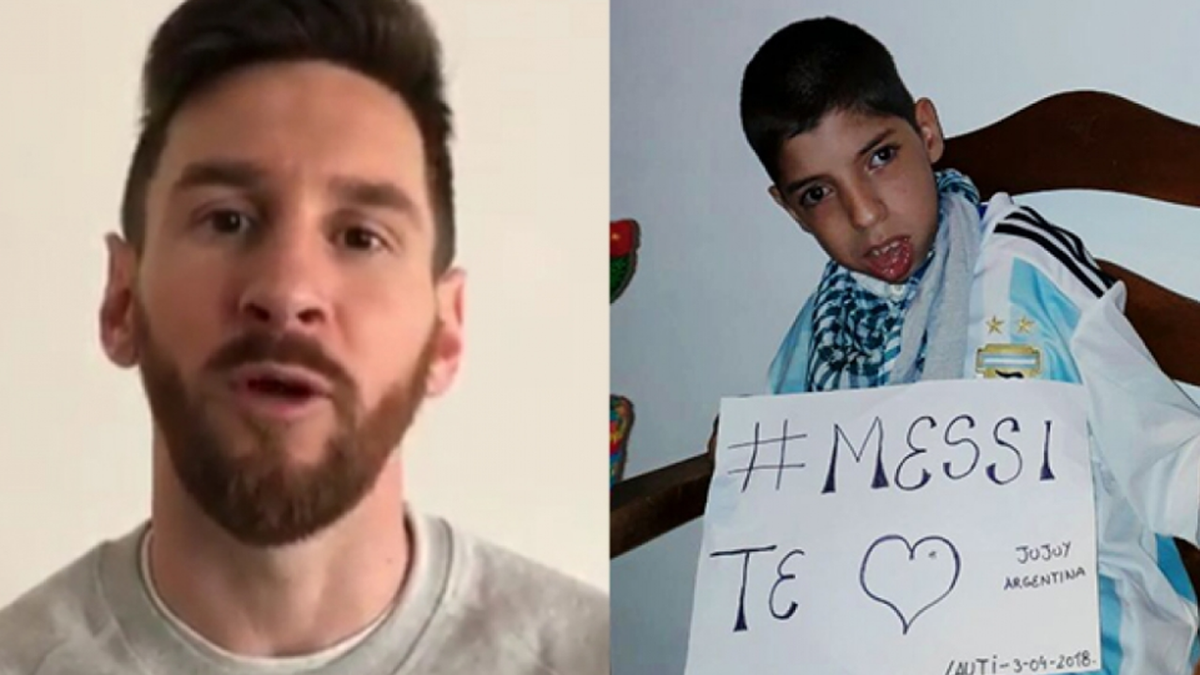
Lautaro Rodríguez, 11 years old, diagnosed with a rare degenerative neuromuscular disease, had traveled over 1,200 kilometers with his mother from San Miguel de Tucumán to Buenos Aires with a singular dream: to be seen and hugged by Lionel Messi.
This report investigates not just the remarkable journey of Lautaro, but also the layers of systemic obstacles, grassroots determination, and the question many are asking in the aftermath: how can a child with a terminal illness come so close to his dream and still be kept outside the gates?

A Dream Born from Pain
Lautaro was diagnosed at the age of six with Duchenne muscular dystrophy (DMD), a condition that gradually weakens the muscles, eventually making basic movements impossible. Life expectancy is limited, and each year brings new challenges.
“He’s losing strength in his legs faster now. This trip may be the last time he walks a long distance,” said Florencia, Lautaro’s mother. Her voice cracked not from exhaustion, but from months of watching her son’s world shrink.

Despite the hospital visits and therapy, Lautaro’s spirit remains high. A constant companion in that struggle is his love for football. More specifically: his admiration for Lionel Messi.
“Messi is brave,” Lautaro had said in a video that later went viral. “And I want to be brave too.”
In early May, after seeing an ad for Argentina’s upcoming match, Lautaro made a bold wish: “I want to go. I want to see Messi, and I want him to see me.”

1,200 Kilometers and No Guarantees
With barely enough savings to cover a bus ticket, Lautaro’s family began an online campaign: #UnAbrazoParaLautaro (“A Hug for Lautaro”). The video of him expressing his dream was shared thousands of times. Small donations began to arrive, enough to cover the trip and a modest hostel for two nights. But there was one problem: no tickets.
Despite multiple messages sent to the Argentine Football Association (AFA), local NGOs, and even fan clubs, Lautaro’s family received only automated replies or vague acknowledgments. Florencia persisted. She called radio shows, sent emails to news outlets, and posted daily on social media.
“I wasn’t asking for a VIP suite,” she said. “Just a place in the stadium for a boy whose time is limited.”
On June 16, with no ticket in hand but hope intact, Lautaro and his mother boarded a bus in Tucumán. The journey took 21 hours. He carried with him a small sign: “Messi, I came from Tucumán. Hug me.”
Game Day: Hope and Cold Reality
June 17 was a crisp winter afternoon. Fans began arriving early. Outside the Monumental, Lautaro, dressed in an oversized Argentina jersey, waited with his mother near the players’ entrance. His sign in hand, he smiled despite the fatigue.

A volunteer for a local fan club noticed them. “He was quiet, but his eyes were full of hope,” she later told us. She made a few calls, trying to get someone from the stadium’s coordination team to notice.
Security officials, while respectful, were firm: “No access without accreditation.”
Several journalists spotted him and took photos, but by the time the match started, Lautaro was still outside. The stadium lights lit up the sky. The roar of the anthem echoed around them.
They remained on the sidewalk, listening.
Messi Never Saw Him
Contrary to what many expected, Lautaro did not make it into the stadium. Nor did he meet Messi.
By halftime, his mother decided to take him back to the hostel. He was shivering, and the fatigue was visible. A fan donated an extra blanket; another gave them a ride.
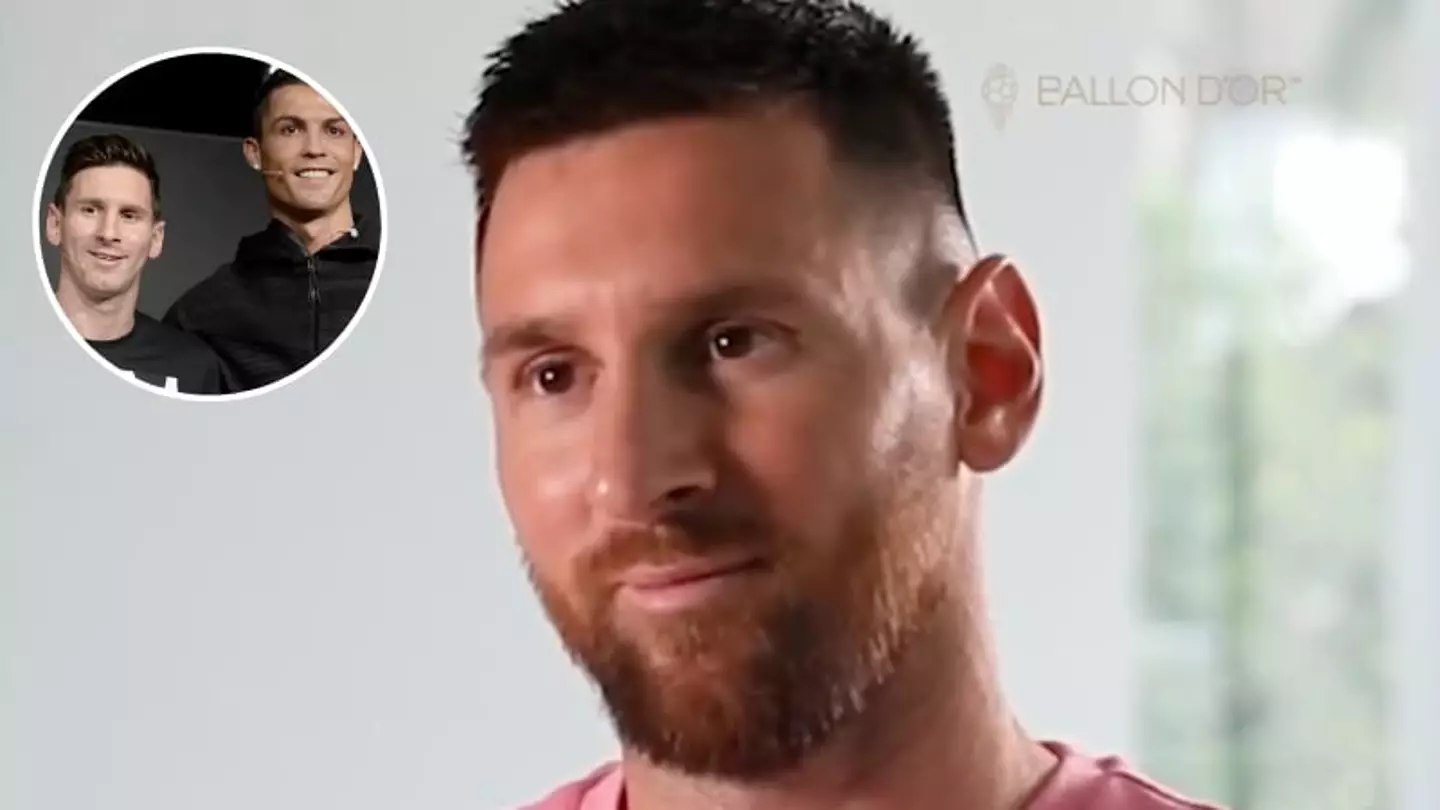
The next morning, as they prepared for the long journey home, someone uploaded a photo of Lautaro and his sign to Twitter with the caption: “He waited outside the Monumental all night. Messi never saw him.”
Within hours, the tweet had 2 million views. Outrage followed. How could this happen?
A System Not Designed for Stories Like Lautaro’s
We investigated whether Lautaro’s case had ever reached Messi’s team or the AFA. According to sources close to the national team’s public relations office, no formal request or flagged communication ever reached Messi or the team before game day.
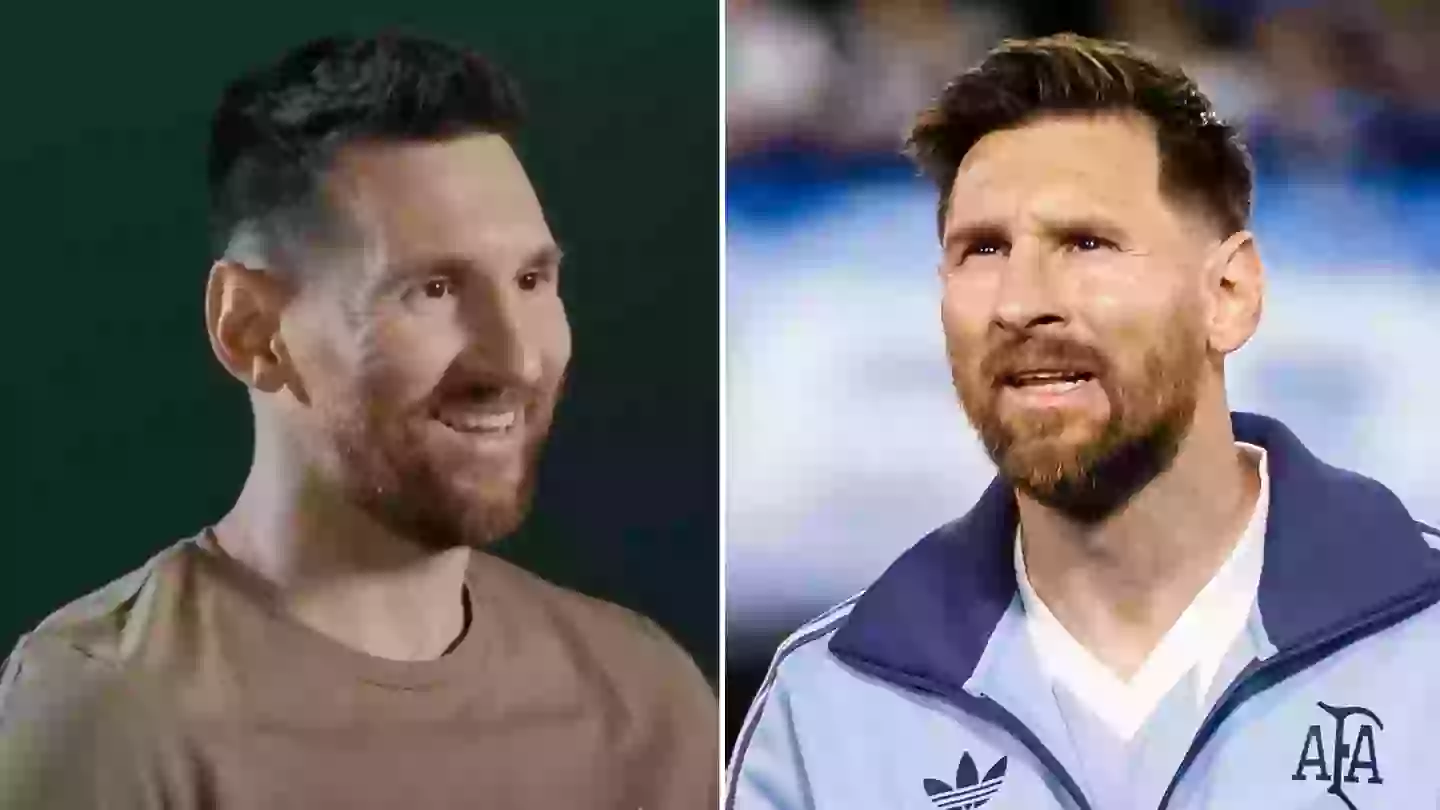
“It’s chaos during these matches,” a staffer said off-record. “Hundreds of requests come in. Unless someone from the inside pushes it, things get lost.”
An AFA communications officer later released a statement expressing regret, stating:
“We are saddened to hear about Lautaro’s story. Unfortunately, we were unaware of his presence outside the stadium and extend our apologies to the family.”
When asked if they would arrange a meeting retroactively, the officer said, “We are exploring options.”
The Social Media Avalanche
In the days following, dozens of influencers, journalists, and celebrities shared Lautaro’s story. Even players like Ángel Di María reposted the original tweet.
On June 20, Messi’s wife Antonela Roccuzzo commented under a viral post:
“We didn’t know. Please, someone help us get in contact with Lautaro’s family.”
Later that night, Lionel Messi posted a story on Instagram:

“Lautaro, I’m sorry I missed you. I hope we can meet very soon. Your courage inspires me.”
That message reignited hope.

The Follow-Up
As of July 21, Lautaro and his mother have been officially contacted by Messi’s foundation. A private meeting is being organized for early August in Rosario, where Messi is spending time with family before returning to Miami. Lautaro’s mother confirmed to us: “Yes, we spoke to them. It’s happening.”
She says Lautaro cried when he saw Messi’s message. “He thought he had failed. He thought Messi didn’t care. That message changed everything.”
What Remains
Lautaro’s story is not just a tale of a missed hug. It exposes the cracks in systems built for efficiency but not humanity. It highlights how the dreams of a sick child can be drowned in bureaucracy. But it also shows the power of persistence, the reach of digital empathy, and the unpredictable grace of a second chance.

When Lautaro meets Messi in a few weeks, the cameras will surely be there. But for his mother, the most important moment already happened:
“When we got on the bus back home, he looked at me and said, ‘At least I tried, right?’”
Yes, Lautaro. You tried. And the world noticed.
News

PABLO IGLESIAS SE VA A CUBA HUNDIDO por la NUEVA PAREJA de IRENE MONTERO y RUFIÁNAldama y el sobre
Una confesión silenciosa desde el interior de un hogar donde el fútbol se convirtió en vidaNunca pensé que una casa…
Lionel Messi’s House in Barcelona (Inside & Outside Design)
Una confesión silenciosa desde el interior de un hogar donde el fútbol se convirtió en vida Nunca pensé que una…

NUEVO FRENTE LEGAL CONTRA SÁNCHEZ! LE SALDRÁ CARO
No todos los cambios en el poder hacen ruido. Algunos empiezan como susurros. Otros como papeles que nadie quiere firmar…

Herrera responde a las cartas del presidente: “¿Pero quién te escribe cartas?”
No debería haber abierto esa carpeta. No porque estuviera prohibido exactamente, sino porque hay cosas que uno no debería leer…

NADIE LO ESPERABA! ESTO NO LE HA GUSTADO A PEDRO SÁNCHEZ! EL GOBIERNO ATACA!
No sé en qué momento exacto las cosas dejaron de ser normales. A veces pienso que fue un gesto. O…

URGENTE! EL REY FELIPE VI PLANTA CARA A PEDRO SÁNCHEZ!
No debería escribir esto.No porque sea ilegal exactamente, sino porque hay verdades que, una vez dichas, ya no pueden volver…
End of content
No more pages to load